
Providing a well-rounded diet of seeds, pellets, and other nutrient-dense options contributes to your parakeet’s overall health. What human foods can they eat?
Parakeets can eat a variety of human foods, including fruits like apples, bananas, and blueberries, and vegetables like carrots, broccoli, and spinach. They can also eat cooked whole grains like brown rice and quinoa, and small amounts of cooked lean meats like chicken or turkey.
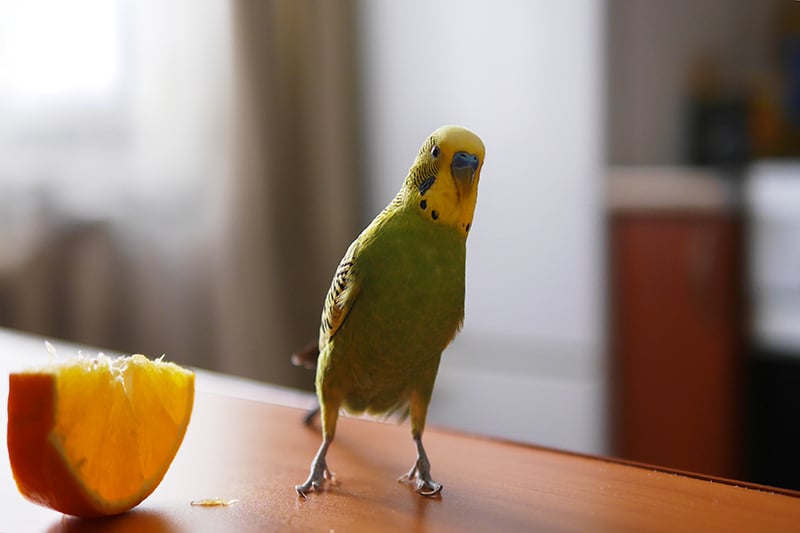
Fruits Parakeets Can Eat
Incorporating fruits into your parakeet’s diet is essential, as they provide vital vitamins, minerals, and antioxidants.
Here are some safe fruits as well as the ones to avoid when feeding your parakeet.
Safe Fruits
Your parakeet can enjoy an array of safe fruits, such as:
- Mango
- Cherries
- Apples
- Bananas
- Blueberries
- Blackberries
- Pineapple
- Strawberries
These fruits provide essential nutrients for your parakeet’s health.
When offering fresh fruit, be sure to wash it thoroughly, preferably using organic fruit to prevent pesticide exposure.
Fruits to Avoid
Some fruits may pose a choking hazard or contain toxic pits and seeds, so it’s crucial to know which fruits are best avoided.
Some fruits to keep off your parakeet’s menu include:
- Avocados (often miscategorized as a vegetable)
- Peaches
- Apricots
- Grapes (in large quantities, due to high sugar content)
If you decide to offer these fruits, ensure that they are thoroughly cleaned and contain no pits, as pitted fruit can be harmful to your parakeet.
When feeding dried fruits, select those that are 100% fruit without added sugars or preservatives, as dried cranberries can be a healthy choice for your parakeet.
Vegetables Suitable for Parakeets
Your parakeets can benefit greatly from a diet that includes a variety of vegetables, as they provide essential vitamins, minerals, and fiber.
Recommended Vegetables
When selecting vegetables for your parakeets, consider incorporating leafy greens such as kale, spinach, and chard.
Other excellent options include broccoli, beets, zucchini, pumpkin, and cucumber. Your birds may also enjoy munching on asparagus, carrots, and bell peppers.
Some parakeets may show a preference for certain vegetables, and it’s important to experiment with different offerings.
Lettuce, corn, celery, and dandelion greens are safe for them to consume and can make a great addition to their diet.
Vegetables to Avoid
While most vegetables are beneficial, there are a few that should be excluded from your parakeets’ diet.
Notably, avoid feeding your parakeets onions, leeks, and scallions as they can be toxic to birds.
Additionally, keep them away from potatoes, as they can pose a choking hazard when not cooked properly.
Keep in mind that it’s essential to wash all vegetables thoroughly before feeding them to your parakeets, ensuring any pesticides or chemicals are removed.
By incorporating a variety of healthy vegetables into their diet, you are ensuring a well-balanced and nutritious meal plan for your beloved parakeets.
Nuts and Seeds for Parakeets
Incorporating a variety of nuts and seeds into your parakeet’s diet can provide essential nutrients and a welcome enrichment activity for these inquisitive birds.
Nuts like cashews, almonds, pistachios, peanuts (raw), walnuts, and hazelnuts can be safely consumed by parakeets.
Seeds, such as sunflower seeds and millet, also make a great addition to a balanced bird food diet.
When offering nuts and seeds, it’s essential to provide them in moderation and to ensure they are free of any additives, such as salt or flavors.
For a more natural experience, you can use unsalted, raw, or shelled nuts for your parakeet to crack open, engaging their problem-solving abilities.
Nuts and Seeds to Avoid
Though many nuts and seeds are beneficial for parakeets, some should be avoided to maintain optimal health.
Steer clear from offering your parakeet pecans, as they can be too high in fat content.
Additionally, refrain from providing highly processed products, like peanut butter, which may contain added salt, sugar, or other unhealthy ingredients.
While many nuts and seeds are excellent choices for your parakeet’s diet, always ensure that they are clean, fresh, and free of additives to promote their overall well-being.
By providing a diverse and balanced diet, you contribute to your parakeet’s long and healthy life.
Human Foods to Avoid
While parakeets can enjoy a variety of human foods, there are certain items that pose health risks to these delicate creatures.
It’s crucial for you to be aware of these dangers to prevent any harm to your beloved bird.
It’s no secret that chocolate is toxic to birds, so it should be strictly avoided.
The same goes for coconut, as it contains high levels of saturated fat that can be detrimental to a parakeet’s health.
These treats might be delightful for us, but they pose grave threats to your feathered friend.
Onions and garlic, while adding flavor to our meals, are also unsuitable for parakeets due to their sulphur-containing compounds.
These can negatively impact your bird’s red blood cells, eventually leading to anemia if consumed in large quantities.
Additionally, mushrooms are not safe for parakeets to consume.
These fungi can cause digestive distress in birds, as their delicate systems are not equipped to handle the complex compounds found in mushrooms.
Bread, surprisingly, should also be excluded from your parakeet’s diet.
The processed ingredients and high levels of carbohydrates can lead to obesity and other health issues in birds.
Instead, opt for healthier and more natural choices to keep your parakeet happy, healthy, and vibrant.
Remember that it is essential to provide your parakeet with a balanced diet consisting of an assortment of seeds, vegetables, fruits, and even some proteins.
Avoid the foods mentioned above and consult an avian veterinarian if you are unsure about any item.
Your parakeet’s well-being depends on the care and attention you provide.
Sources
Be Chewy: 16 Foods That Are Harmful or Poisonous to Pet Birds