
Many pet parakeet (or budgie) owners think they’re witnessing something akin to the “terrible twos” that young children are perceived to go through.
This period of time is often characterized by increased stubbornness and challenging behavior, which is experienced by some animal species as well. But do they really?
Parakeets do not have terrible twos. Although they may go through behavioral changes during their adolescence, it is not necessarily a bad thing. It is important to provide them with proper care and attention during this time.
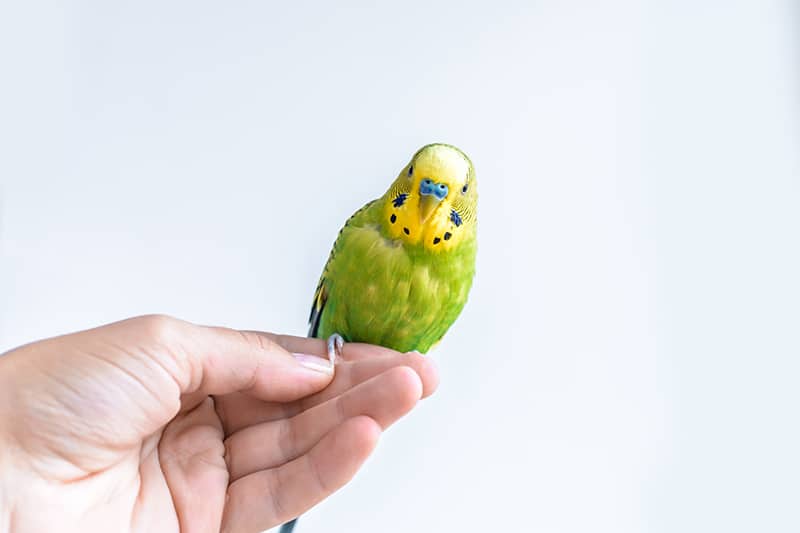
Do Parakeets Have Terrible Twos?
Understanding Parakeet Development
While parakeets do not necessarily have a “terrible twos” phase, they do experience behavioral changes as they develop.
The term is usually associated with human toddlers.
However, it’s not uncommon for pet owners to describe their young parakeets as going through a similar phase.
It is important to note that the behavioral changes in young parakeets are a natural part of their development and not necessarily indicative of a problem.
It is better to understand things from a parakeet’s perspective rather than simply focusing on their behavior.
Behavioral Changes in Young Parakeets
As parakeets grow and develop, they may exhibit new behaviors that can sometimes be challenging for their owners.
These changes can include increased independence, assertiveness, and territoriality.
While these behaviors may seem troublesome, they are part of the natural progression of a parakeet’s development.
And should be met with understanding and patience from their owners.
During this developmental phase, it may be helpful to provide your parakeet with an appropriate environment that accommodates their growing need for space, mental stimulation, and social interaction.
This can help to lessen the severity of challenging behaviors while also allowing your parakeet to thrive.
Consider providing a larger cage, opportunities for social interaction if possible, and engaging toys to keep them entertained.
It’s also crucial to establish and maintain a consistent routine with your parakeet.
Providing a stable routine that includes scheduled feeding, cleaning, and interaction times can help to reduce stress and promote a sense of security.
Common Parakeet Behaviors
Parakeets display a variety of behaviors that can sometimes be seen as problematic or confusing to their owners.
It is essential to understand these behaviors to provide the best care and ensure a healthy and happy life for your pet.
Chewing and Biting
Chewing and biting are natural behaviors for parakeets, as they use their beaks to explore their surroundings and maintain their beak’s health.
Chewing is also an essential part of their daily activities, such as foraging and grooming.
However, excessive biting, especially towards other birds or their owners, can indicate a problem, such as aggression or dominance issues.
To minimize destructive chewing, provide them with a variety of safe toys and materials for them to chew and play with, such as wooden or paper-based items.
Screaming and Noise-Making
Parakeets are known for their vocalizations, including chattering, singing, and mimicking sounds.
Noisy communication is normal and often a sign of happiness and social engagement in these birds.
However, screaming is not a typical behavior of parakeets.
Occasional light screams can be a part of their vocal repertoire, but genuine, persistent screams might indicate distress, pain, or fear.
In such cases, it is essential to investigate the cause and take appropriate action, such as consulting a veterinarian or addressing environmental stressors.
Managing Parakeet Behavior
When it comes to parakeets, understanding and managing their behavior is crucial for maintaining a happy and healthy relationship with your pet.
There are effective training techniques and ways to provide stimulation and enrichment for your parakeet.
Effective Training Techniques
Training your parakeet can help curb unwanted behaviors and strengthen your bond. Here are some techniques that can help:
- Positive reinforcement: Reward your parakeet with treats, praise, or attention when they display desired behaviors.
- Consistency: Be consistent with your reactions and expectations to help your parakeet understand and learn.
- Patience: Training takes time and effort, so be patient with your parakeet’s progress and avoid punishment.
By incorporating these techniques into your training, you can help shape your parakeet’s behavior in a positive and constructive manner.
Providing Stimulation and Enrichment
Parakeets are intelligent and curious birds that need mental and physical stimulation to thrive.
Ensuring their environment is enriched with various activities and items can help prevent boredom and associated behavioral issues. Here are some suggestions:
- Varied toys: Provide a mix of toys that cater to different interests, such as foraging toys, shredding toys, and climbing toys. Regularly rotate them to maintain your parakeet’s interest.
- Perches and swings: Offer various types and sizes of perches and swings to encourage exercise and provide comfortable resting spots.
- Puzzles and games: Introduce puzzles and games that challenge your parakeet’s problem-solving skills and encourage interaction.
- Human interaction: Spend quality time with your parakeet, talking, playing, or even teaching tricks, to strengthen your bond and provide social enrichment.
By incorporating these enrichment strategies, you can create a stimulating environment that helps keep your parakeet happy, healthy, and well-behaved.
Knowing When to Consult an Expert
Though some parakeets may display challenging behaviors that mimic a phase like the perceived “terrible twos” in children, it is essential to recognize when seeking expert advice is necessary for the well-being of the bird.
Sudden changes in a parakeet’s behavior may sometimes indicate underlying health issues or environmental stressors that warrant attention from a veterinarian or avian specialist.
A few signs that may warrant consultation with an expert include:
- Unusual or excessive aggression towards other birds or their caretakers
- Loss of appetite or drastic change in weight
- Difficulty breathing or other signs of illness, such as discolored droppings.
- Discoloration or abnormal growths on the beak.
- Excessive and prolonged sleeping during daylight hours
When concerned about a parakeet’s behavior, contacting an avian specialist or veterinarian for guidance is recommended.
In some cases, the bird’s behavior may be due to environmental factors such as an inadequate cage, improper diet, or lack of socialization, all of which can be addressed through proper care guidelines.
However, if signs of illness or distress persist, professional intervention may be necessary to ensure the parakeet’s health and safety.