
Last updated on June 4th, 2023 at 10:34 pm
Tail feathers play a crucial role in a bird’s flight and balance. When a bird loses these delicate appendages, it faces the challenge of adapting to a changed body.
If a bird loses its tail feathers, it must adjust to a compromised ability to fly and maneuver. However, these resilient creatures can often adapt to navigate their environment successfully. In time, the feathers will grow back, restoring the bird’s natural grace and capability in the air.
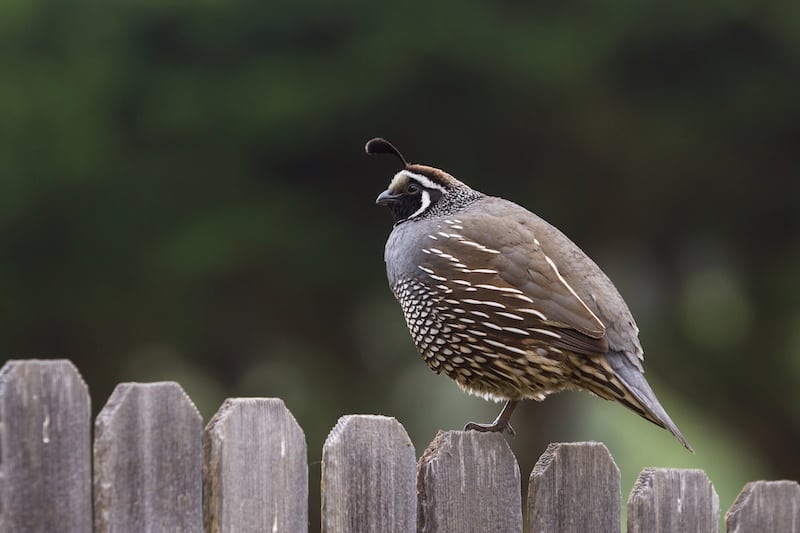
Importance of Tail Feathers
Balance and Stability
Tail feathers are important for a bird’s balance. They help in maintaining a steady flight and a stable landing.
Birds use their tail feathers to distribute their body weight evenly while flying.
Without tail feathers, a bird would struggle to control its movement in the air, resulting in an unstable and erratic flight.
Loss of tail feathers can lead to a significant impact on a bird’s ability to fly.
For example, in a study on avian asymmetry, it was observed that as the asymmetry in outer tail feathers increased, the birds experienced a loss of lift.
Maneuverability
Maneuverability is another crucial aspect of a bird’s ability to fly. Tail feathers help with steering and directing the bird’s flight.
They enable swift changes in direction, which is crucial for catching prey or avoiding predators.
Birds can adjust the angle of their tail feathers to control their direction and speed.
In particular, tail streamers in certain bird species play a role in maneuverability.
For example, research on the barn swallow shows that their long outer tail feathers contribute to their impressive aerial acrobatics.
Aerodynamics
A bird’s tail feathers are essential for achieving optimal aerodynamics. Proper air circulation around the bird’s body is crucial for maintaining efficient flight.
Tail feathers help control airflow, reducing drag and improving the bird’s lift.
An aerodynamics study of bird tails found that birds can halve induced drag by drooping their outer tail feathers.
This means that successful optimization of a bird’s tail greatly contributes to its efficiency and performance in flight.
Causes of Losing Tail Feathers
Molting
Birds undergo a natural process called molting, where they shed old feathers and grow new ones.
This happens in cycles and allows the bird to maintain healthy plumage.
Losing tail feathers during molting is a common occurrence, as it allows the bird to replace damaged or worn feathers.
Illness and Injury
Sometimes, illness or injury can cause birds to lose their tail feathers. Infections or diseases affecting the skin or feather follicles may result in feather loss.
Furthermore, injuries sustained in accidents or fights can lead to broken or damaged tail feathers.
In these cases, regrowth may be slowed until the bird recovers.
Predators
Birds may lose tail feathers in an encounter with a predator. This can get them freed from their predator’s grasp, increasing their chances to escape.
Shedding tail feathers in a life-or-death situation is a survival mechanism, and given time, the bird will grow new ones.
Plucking
In some instances, birds intentionally pluck out their tail feathers. This behavior may occur due to stress, boredom, or nutritional deficiencies.
Captive birds, in particular, tend to exhibit this behavior more often than their wild counterparts.
To prevent plucking, it is essential to provide a comfortable and enriching environment with proper nutrition.
Regrowing Tail Feathers
Natural Process
Birds, like many creatures, possess the ability to regrow lost structures. When a bird loses its tail feathers, it undergoes a process called molting.
New feathers emerge from follicles and gradually replace the lost ones.
This natural process ensures that birds maintain their ability to fly and use their tail feathers for other crucial functions, such as balance and display.
Time Frame
The time it takes for a bird’s tail feathers to regrow depends on the species and the individual bird.
Some birds may regrow their feathers quickly, while others might take longer.
Molting is not continuous; it occurs seasonally or after specific cycles in a bird’s life.
For instance, the American Redstart has been observed to regrow its tail feathers after a period of loss.
The rate at which feathers grow back is influenced by factors such as the bird’s age, health, and habitat.
Vitamins and Minerals
Proper nutrition plays a vital role in the regrowth of tail feathers.
Birds need essential nutrients, such as vitamins and minerals, to foster healthy and robust feather development.
These nutrients are regularly obtained from their diet. Key elements for feather growth include:
- Protein: Necessary for building the feather’s structure.
- Vitamins: Required for the maintenance of healthy skin and feather follicles.
- Minerals: Essential for supporting feather strength, such as calcium and magnesium.
Ensuring that a bird receives adequate nutrients can speed up the process of feather regrowth and improve overall feather quality.
Adaptations and Survival
Ground Dwelling Birds
Flightless birds, like the Kiwi and Emu, need no tail feathers. These birds adapt to life on the ground. Strong legs replace wings for quick escape.
Camouflage helps them hide among the vegetation.
Alternative Flight Techniques
Birds with damaged tail feathers can still fly. Sparrows and blackbirds fly using short-wing flaps.
A hummingbird flies with rapid wing beats, hovering in the air. Hawks and other birds of prey use soaring to conserve energy.
They glide high above the ground, utilizing thermal updrafts. Different wing shapes serve different purposes.
Tail feathers may help navigate, but birds can adapt in their absence.
- Sparrow: Short-wing flaps
- Blackbird: Short-wing flaps
- Hummingbird: Rapid wing beats, hovering
- Hawk: Soaring, gliding
Protection and Escape
Birds lacking tail feathers may rely on agility and cunning for survival. Swallows dart through the air, evading predators.
You’ll find peacocks on the ground, running with their wings outstretched. Camouflage helps them hide, even without tail feathers.
Tail feathers usually attract mates, but some birds rely on other traits, like beak color or size, to find a partner.
Adaptation is key for a bird’s survival, with or without its tail feathers.
Impact on Mating and Courtship
Courtship Displays
Birds engage in elaborate courtship displays to attract mates. For instance, peacocks spread their stunning tail feathers, displaying vibrant colors and patterns.
However, if a bird loses its tail feathers, this visual spectacle is diminished. Courtship displays rely heavily on physical traits.
Thus, damage or loss of tail feathers can hinder a bird’s chances of attracting a mate.
Males of some species also use their tail feathers to produce sounds during courtship.
Bee hummingbirds, for example, exhibit complex coevolution of wing, tail, and vocal sounds.
Loss or change in tail feathers might affect their ability to generate specific sounds, further impacting their mating success.
Mate Selection
Birds’ mate selection is influenced by visual and auditory cues.
In species where tail feathers play a crucial role in courtship displays, the absence or alteration of these features can lead to reduced mate preference.
An experiment with Red Junglefowl found that female preference was impacted by the manipulation of male secondary sex characters, such as tail feathers.
When tail feathers were modified or removed, females showed less interest in the males.