
Birding in the rain can provide a captivating backdrop for enthusiasts, though it does present a challenge when wielding binoculars.
Waterproof and fog-proof models withstand wet weather with ease, maintaining clear lenses and protected interiors, making them suitable for such conditions.
As the gentle patter of raindrops settles, remember, using the right pair is essential to preserve the equipment and ensure successful birdwatching.
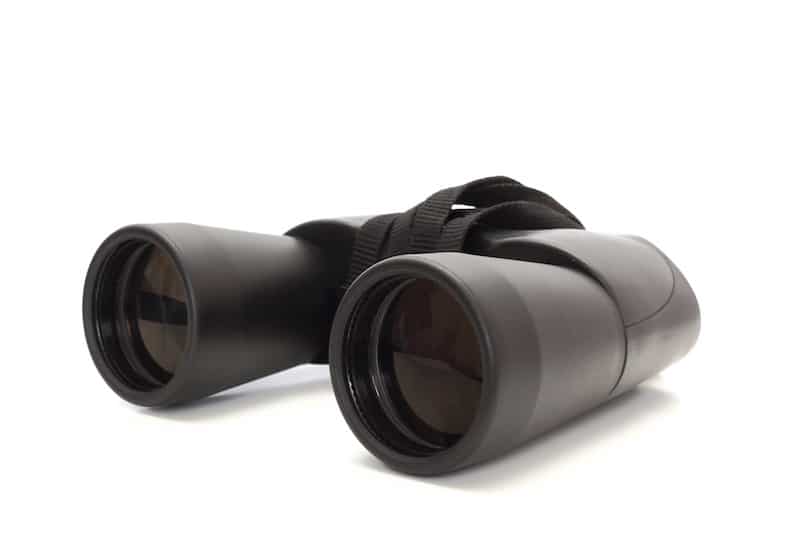
Waterproof and Weatherproof Binoculars
JIS Grade Standards
Waterproof and fogproof binoculars are rated using the JIS (Japanese Industrial Standards).
The JIS scale ranges from 0 to 10, with higher numbers indicating more extreme waterproofing.
Some common JIS ratings for binoculars are:
- JIS 6: Withstands rain and water spray from any direction
- JIS 7: Withstands immersion up to 1 meter for 30 minutes
- JIS 8: Withstands immersion over 1 meter indefinitely
Waterproof Models
Waterproof binoculars prevent damage from moisture, perfect for boating, marine, bird watching, and astronomy.
They keep more than moisture out: dust and minute particles are also blocked by waterproofing technology.
It is essential to shelter binoculars from rain as much as possible, even with a rain guard and waterproofing.
If the lenses get wet, dry them carefully to prevent spots from forming on the glass coatings.
And remember, water-resistant models are not as durable as waterproof ones and should not be used in heavy rain.
Fogproof Binoculars
Fogproof binoculars fill the space between lenses with an inert gas such as nitrogen or argon.
This prevents them from fogging up due to temperature changes.
To maintain functionality, it is crucial not to allow moisture to enter the optics.
If binoculars are accidentally submerged, retrieve them promptly and dry them off before storage.
Always store binoculars in a dry area to avoid damage when not in use.
Using Binoculars in the Rain
Rain Protection Tips
When it comes to using binoculars in the rain, a few measures can be taken to ensure the best possible experience.
First and foremost, consider investing in waterproof and fog-proof binoculars as they withstand wet weather without any problems.
In cases of moderate rain, non-waterproof models should still work reasonably well, just be sure to wipe them down with a dry cloth as needed.
A hat can be an effective tool to protect the ocular lenses from rain. Baseball caps shield the lenses from any overhead moisture or precipitation.
Alternatively, an umbrella can be used to keep moisture at bay, so both the user and the binoculars stay dry.
When outdoors, make sure to keep a close eye on weather conditions. Take binoculars into the rain only if necessary or if they can handle the specific conditions.
Staying cautious will ultimately prolong the life of your binoculars and improve your overall birding experience.
Accessories for Rainy Conditions
There are a few accessories that can make using binoculars in the rain more manageable:
- Rainguard: A rain guard is a useful accessory for protecting the eyepieces from raindrops, ensuring a clear view. Consider investing in a high-quality rain guard specifically designed for binoculars.
- Case: Storing binoculars in a weatherproof case will give them an additional layer of protection. Choosing a case with easy access and efficient closing mechanisms is ideal.
- Strap: A sturdy strap will allow users to secure binoculars around their necks, keeping them close at hand and minimizing the risk of accidental falls or contact with moisture.
By following these protective measures and using the recommended accessories, using binoculars in the rain can be a manageable and enjoyable experience, even in challenging weather conditions.
Caring and Cleaning for Binoculars
The care and cleaning of binoculars can extend their life and enhance their performance.
The basic steps to achieve good care of binoculars are preventing fog and moisture and cleaning lenses and eyepieces.
These steps avoid the deterioration of the devices, ensuring clear vision during outdoor activities, even in the rain.
Preventing Fog and Moisture
Fogproof binoculars help protect against moisture and are recommended for use. To further prevent the formation of fog and moisture, follow these tips:
- Keep binoculars in a dry place when not in use.
- Store with a desiccant or silica gel to absorb moisture.
- Avoid exposing binoculars to sudden temperature changes.
Cleaning Lenses and Eyepieces
Proper cleaning of lenses and eyepieces helps maintain binoculars’ clarity and ensures long-lasting use.
The following steps provide valuable advice for cleaning lenses and eyepieces safely:
- Use a soft brush or canned air to remove dust and dirt from the lenses and eyepieces without scratching the surface.
- Avoid using tissues, paper towels, or other abrasive materials, as they can cause damage.
- Use a soft lens cloth or lens tissues for cleaning. Always be gentle when wiping.
- Apply lens cleaning fluids or isopropyl alcohol to the cloth, not directly to the lenses, to avoid leaving residues.
- For eyepieces, retract the eyecups and repeat the process, being cautious not to damage delicate parts.
Effects of Rain on Binoculars
Risks and Damages
Rain can be detrimental to binoculars, especially if they aren’t designed to withstand moisture.
Rainwater damages the lenses and other optical components, leading to rusting of metal parts and corrosion. These issues may render binoculars unusable.
Furthermore, moisture affects birding and other outdoor activities where clear optics are essential.
Wet binoculars can have foggy or distorted images, reducing the quality of the view.
Rainy and cold weather can create problems with lens coatings, making objective lenses foggy and less effective.
Splashing water and waves, typically seen in marine environments, also pose risks to non-waterproof binoculars.
Maintaining Optics and Alignment
To keep binoculars functioning well, maintenance after exposure to rain is crucial.
For waterproof and fogproof models, the sealed interiors should withstand wet weather without causing significant damage.
However, extra care is required for non-waterproof binoculars:
- Dry your binoculars: When caught in the rain, promptly dry your binoculars using a soft, lint-free cloth. Avoid drying them under direct sunlight.
- Clean the lenses: Use a soft, wet cloth to clean the lenses gently, removing any dirt or raindrops. Avoid rubbing the lenses to prevent damage to the coatings.
- Dismantle, if necessary: If significant water entered your binoculars or if there’s a risk of mold, disassemble your equipment for a more thorough cleaning. Be cautious and consult your binocular’s manual or seek professional help if needed.
- Store carefully: Keep your binoculars in a protective case and a moisture-free environment when not in use, especially in humid or damp conditions like the forest.
Regular maintenance is necessary to keep the optics and alignment in good condition.
And it helps prevent issues like fungus, mold, and lens reflections impacting your viewing experience.
Proper care ensures that your binoculars remain reliable for birding, nature observation, or any other activities requiring clear optics.
Best Binocular Models for Rainy Conditions
Important Features for Rainy Weather
In rainy weather, exceptional binocular performance is paramount.
Features you should prioritize include waterproofing, fog proofing, and wide field of view for ultimate outdoor experience.
Waterproof and fog proof binoculars, especially O-ring sealed ones with nitrogen or argon gas purge, keep moisture, snow, and debris at bay.
An optimal combination to look for in binoculars is a larger objective lens diameter and higher exit pupil.
This ensures bright images even in dim lighting conditions that often accompany rain.
Rainy day features in a nutshell:
- Waterproofing
- Fog proofing
- Wide field of view
- Larger objective lens diameter
- Higher exit pupil
Recommended Brands
For bird-watching enthusiasts and outdoor adventurers, several reliable binocular models withstand the rain:
- Steiner 575 – The top choice for effective wet-weather use, the Steiner 575 offers a sturdy build ensuring longevity and quality performance. Ideal for bird watching and other outdoor activities, these binoculars excel at handling rain and other elements.
- Nikon 7583 MONARCH – As a lightweight and fog proof model, the Nikon 7583 MONARCH won’t let any mist hinder the wearer’s vision. With a generous field of view and an eyeglass-friendly design, it is perfect for outdoor explorers who enjoy wildlife observation in rainy conditions.
- Bushnell H2O Waterproof Binocular – These binoculars boast a rugged, waterproof structure with the added benefit of twist-up eyecups for eyeglass users. User-friendly and reliable, they provide quality images in wet conditions.
Choosing the right binoculars for viewing through rain is crucial.
Pay attention to the weather-resistant features, and prioritize reputable brands to ensure a fulfilling viewing experience, even in the toughest conditions.