
Where they can find it, most birds sleep at night. Some return to familiar places, others rest in flight. Small hollows, quiet branches, or even the open sky may serve as a sanctuary for a bird’s nocturnal repose.
Birds do not necessarily sleep in the same place every night as they may migrate or choose different roosting spots based on factors such as availability of food and shelter. Species like swifts and frigatebirds rest in mid-flight. Owls tend to sleep in the same place every day, especially during the nesting season.
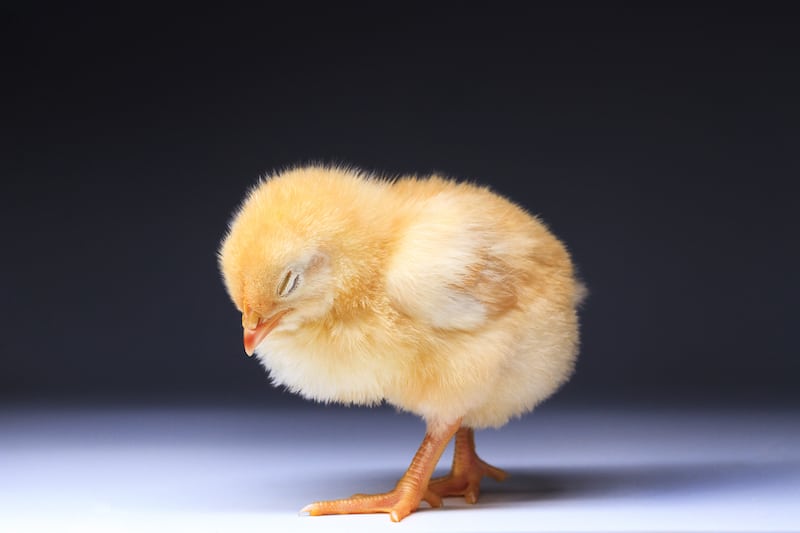
Do Birds Sleep In The Same Place Every Night?
Factors Determining Roosting Locations
Roosting locations vary for birds. Birds search for places safe from predators. Protection from elements like wind and rain matters too.
Accessibility to food can also influence choice.
Another factor is their daily routine. Some birds follow ocean eddies during the day and at night, relying on them to find places to roost.
Sleep sites may offer benefits, similar to territory holding.
Roosting Habits of Different Bird Species
Bird species have different roosting habits. For example, great frigatebirds sleep mid-flight during long trips over the ocean. They are far from the only ones.
Many migratory birds have unique sleep patterns, such as the white-crowned sparrow, which experiences migratory sleeplessness during its long journeys.
On the other hand, some birds are more particular about sleeping in the same location.
They might return to the same branch or tree repeatedly for safety and familiarity.
Types of Roosting Spots
Trees and Shrubs
Birds often sleep in trees and shrubs at night. Trees provide shelter and protection from predators. Branches are common roosting spots for many species.
Dense foliage offers additional cover and insulation for warmth.
Cavities and Nests
Cavities, like holes in trees or rocks, give birds a secure roosting place. Some use their nests for sleeping, particularly during the nesting season.
Tree hollows and crevices can also serve as a suitable spot to rest.
Birdhouses and Nesting Boxes
For some species, birdhouses and nesting boxes offer a safe and cozy roosting alternative.
These artificial shelters mimic natural nesting sites and typically protect against wind, rain, and predators.
Urban Areas and Structures
Urban settings provide diverse roosting spots for many species. Old buildings, ledges, roofs, and even street lights offer resting areas for birds.
Some prefer to nest on structures like bridges, seeking out sheltered spots.
In each roosting location, birds seek safety and comfort.
While they might not sleep in the exact same spot every night, their choice of roost follows a pattern based on their habits, habitat, and the availability of suitable places.
Birds’ Sleep Patterns and Mechanisms
Unihemispheric Slow-Wave Sleep
Birds have a unique way of sleeping called unihemispheric slow-wave sleep. In this state, half of their brain sleeps while the other half remains alert.
This mechanism allows them to rest without losing awareness of their surroundings.
Waterbirds and migratory birds often use this method during long flights, conserving energy while staying vigilant.
Standing Up While Sleeping
Resting upright is common among many bird species. Standing up while sleeping helps them conserve space and maintain balance.
Their legs lock into position, preventing them from falling. This adaptation is especially useful for birds that roost in trees or on narrow perches.
A stable stance allows them to sleep safely and comfortably throughout the night.
Sleeping With One Eye Open
In addition to unihemispheric slow-wave sleep, birds can keep one eye open when resting.
This behavior is observed in many species, especially those living in environments where they need to be constantly watchful.
By keeping one eye open, they can detect predators or other threats, responding accordingly to maintain their safety.
This skill is closely linked with their ability to sleep with half of their brain active, which allows them to react even while resting.
Although birds vary in their sleeping patterns and mechanisms, they often rely on these unique adaptations to stay safe and conserve energy.
Adapting to Weather Conditions
Insulation and Feather Adaptations
Birds face a challenge during stormy weather and cold temperatures. They need to maintain body heat. Feathers provide insulation.
Layered feathers trap air, conserving warmth. Birds fluff up their feathers in cold conditions, increasing insulation. Preening their feathers is essential.
This helps waterproofing and insulation.
Feathers also protect birds from the rain. Several species have developed adaptations for waterproofing.
Ducks, for example, possess oil glands near their tails. They spread oil over their feathers, repelling water.
Torpor and Other Physiological Adjustments
During cold nights, torpor benefits many birds. Torpor is a state of reduced metabolic activity and lower body temperature.
It allows birds to conserve energy while exposed to extreme weather conditions. Some birds even reach a daily torpor to cope with winter nights.
Some small northern birds have adapted to cold temperatures and have found ways to minimize heat loss.
For example, they tuck their legs and bills into the plumage when roosting.
To withstand stormy and unpredictable weather, some birds seek shelter. They roost in tree cavities, dense foliage, or in places facing away from the wind.
Large species, like eagles and hawks, perch on secure branches or cliff edges.
Likewise, small birds group together on branches, huddling and sharing body heat.
Safety and Predators
Roosting in Flocks
Birds often choose to sleep in flocks for increased safety.
Grouping together creates a visual barrier for predators such as cats and birds of prey, making it harder for them to target individual birds.
For example, some species form nighttime roosting flocks in trees or bushes, where they can sleep safely away from stalking predators.
By roosting in flocks, birds can also take advantage of communal vigilance.
They rely on sharp ears and eyes to monitor their surroundings and alert others in the group when a predator is nearby.
This early warning system provides additional time for birds to take evasive action, increasing their chances of survival.
| Species | Roosting Habit |
|---|---|
| Ducks | Perch in a row |
| Sparrows | Dense bushes |
| Swallows | Cliff faces |
Protecting Eggs and Chicks
In addition to roosting in flocks, many bird species adopt unique strategies to protect their eggs and chicks.
They do not sleep in the same place every night to reduce the chances of exposing their nest location to predators.
For example, gibbons are known to change their sleeping places frequently in an attempt to avoid predation on their offspring.
Some species, such as ground-nesting birds, focus on camouflage to ensure the safety of their young.
They select nesting materials that blend in with the environment, making it difficult for predators to spot the nest from a distance.
Others build elaborate nests in trees or shrubs, using the height and structural complexity of the plants as a barrier against potential threats.
Nocturnal and Diurnal Birds
Sleeping Habits of Nocturnal Birds
Nocturnal birds, like owls, sleep during the day and are active at night. They nest high up in tree holes or dense foliage, hidden from predators.
These birds have remarkable night vision, enabling them to hunt and interact better in low light conditions.
They rest on silent wings, making almost no noise as they fly. Examples of nocturnal birds include barn owls and tawny owls.
The Sleep Cycle of Diurnal Birds
Diurnal birds, on the other hand, are active during daylight hours and typically sleep at night.
They have a variety of sleeping habits and locations, depending on the species.
Perching birds, like robins and sparrows, have a locking mechanism in their legs that allows them to rest on branches without falling off.
Many diurnal migratory songbirds perform their migratory flights at night but rest during the day. As a result, they are exposed to higher risks of predation while sleeping.
For this reason, these birds display different antipredator behaviors depending on whether the threat occurs during the daytime or nighttime.