
It is clear that birds are capable of experiencing joy and pleasure, and they engage in many activities that could be considered recreational.
Birds have fun through playful behaviors like aerial acrobatics, chasing one another, and manipulating objects in ways that suggest a sense of pleasure. These actions, driven by curiosity and exploration, reveal that birds are not only focused on survival but also seek moments of delight.
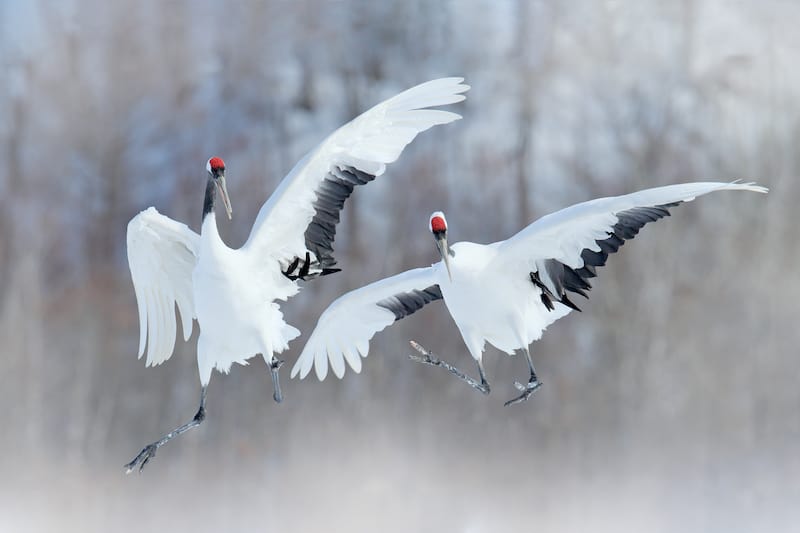
Birds And Their Playful Behaviors
Foraging And Exploration
Birds find fun in foraging and exploration. They use their beaks and feet to search for food in different ways.
Some birds dig into the ground, while others peck at tree bark. Others grab leaves, flip them over, and look for insects underneath.
This keeps the birds busy and entertained.
Diving And Jumping
Some birds enjoy diving and jumping for fun. Ducks and other waterbirds may be seen diving into the water and then jumping out again.
They lift their wings and shake the water off, only to dive again. This playful behavior may also help them find food and avoid predators.
Birds like the kingfisher are known to dive deep into the water to catch fish and may seem to find joy in this activity.
Social Interaction And Games
Birds like to play with each other. They engage in social activities and games, such as chasing each other or playing with objects.
For example, ravens are known for their sophisticated play behavior.
They enjoy playing games like catch with small objects or even playing with other animals, such as dogs.
By playing games, birds not only have fun, but also improve their social skills and learn valuable survival tactics.
The Role Of Fun In Bird Life
Learning And Training
Birds, like all creatures, have ways to find pleasure. Foraging, for example, is an essential skill taught and learned among birds.
They search for food and play, honing their skills for survival. A bird learning to forage tests its abilities and gains enjoyment from success.
Fun and play training are not just limited to wild birds. Pet birds can also benefit from playtime and toys, which can help alleviate boredom and provide mental stimulation.
Bonding And Social Structure
Nature plays a role in shaping how birds interact and bond.
Nest building is a primary activity where birds work together, providing a strong bond and a sense of fun while building their homes.
Bird colonies often gather in groups and engage in social behaviors, achieving a sense of belonging and unity.
Stress Relief And Mental Health
Birds are part of the ecosystem services and wildlife populations, living within constant demands and challenges.
To cope with stress and maintain mental health, they find fun in their daily activities.
By playing and interacting with each other, birds find ways to relieve stress and ensure their well-being, embracing joy in the life they share with their environment.
Playful interactions can also promote social cohesion and reduce conflict within populations.
Additionally, birds who engage in play may be more adaptable to changing environmental conditions.
Fun In Various Bird Species
Penguins And Their Playtime
Penguins, known for their waddling steps, have their own way of having fun. Despite their lack of flight ability, they show off their water skills.
They glide through the ocean, chase each other, and slide on their bellies over ice and snow. Penguins also toss around stones and play with them.
Young penguins are quite spirited and enjoy playing with their parents.
The Amusing Antics Of Vultures
Vultures, with their bald heads and intimidating looks, have a fun side too. When not hunting, they often participate in aerial games, such as mock fighting.
Vultures catch thermals, soar and dive, touching their tail feathers to perform skillful turns.
These activities help sharpen their flight skills and engage in social bonding.
Ducks, Flamingos And Other Playful Waterbirds
Waterbirds, such as ducks and flamingos, find joy in their aquatic habitat.
Ducks enjoy swimming and foraging as a social activity, sometimes splashing water and preening themselves contentedly.
They are agile swimmers, diving, and dabbling to explore their surroundings.
Flamingos, with their long legs, wade through water in search of food, often engaging in synchronized dancing or stretching their wings.
The play of waterbirds helps them maintain their physical prowess and social bonds.
Birds, regardless of their size, shape, or location, display a range of entertaining behaviors.