
Birds are masters of the sky, and their ability to fly long distances is astounding. Some species embark on remarkable journeys without stopping, covering great lengths in their quest for food, mates, or warmer climates.
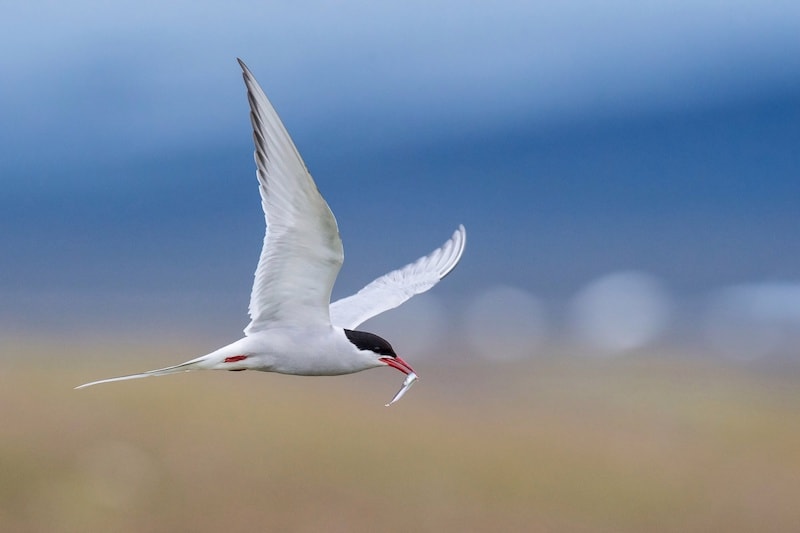
The champion of nonstop flight is the Arctic Tern, which can fly more than 25,000 miles round-trip during migration, rarely touching the ground. The tiny Blackpoll Warbler can cover 1,800 miles over open water without stopping, a testament to both physical endurance and innate navigation skills.
Birds and Their Long-Distance Flight Abilities
Migratory Birds
Some birds are like tiny aviators, making incredible journeys through the sky.
They travel great distances, moving between breeding and non-breeding grounds.
They have certain features that help them fly far without stopping. Their wings are shaped for stamina, allowing them to cover long distances with ease.
Fat reserves fuel the journey, while navigational skills keep them on course.
Long flights take immense energy. Birds stop along the way to eat and rest. These sites, known as stop-over sites, allow them to recharge.
But not all species stop the same – some may go on for days either due to efficient energy use or the need to cover longer distances.
Long-Distance Migrants:
- Arctic Tern: 25,000 km
- Knots: 16,000 km
- Gray-Cheeked Thrush: 4,700 km
The ability to go far without landing is vital.
Crossing the sea, for example, requires well-timed flights with no spots to land. Birds must store energy before undertaking such trips.
Non-Migratory Species
Non-migratory birds, on the other hand, don’t travel far. They reside in one area and lack the adaptations for long flights.
Fat storage, navigating abilities, and wing shapes typically differ from migratory birds.
However, some non-migratory birds still make short flights for food or territory.
Within their range, they can be skilled fliers, making swift maneuvers or hovering in place to hunt or avoid danger.
Characteristics of Non-Migratory Species:
- Limited fat storage
- Territorial behavior
- Wing shapes for agility and maneuverability
Factors Affecting Non-Stop Flight
Energy Conservation
Birds need the energy to fly long distances without stopping. They use different techniques to save energy:
- Soaring: Some birds, such as albatrosses, use dynamic soaring to take advantage of air currents, reducing the need to flap their wings.
- Rest: Birds can sleep while flying by using only one part of their brain at a time. This allows them to rest without losing altitude or control.
Wind and Weather Conditions
Weather plays a key role in birds’ ability to fly long distances. Favorable conditions can extend their range:
- Tailwind: A tailwind helps birds travel faster and farther with less effort.
- Air Currents: Birds use air currents like highways, choosing the most efficient path to their destination.
However, strong winds and storms can force them to stop and wait for better conditions.
Feeding and Food Sources
Migratory birds must find food along their route to survive long journeys. They adopt specific strategies based on their needs and surroundings:
- Stopover Sites: Birds may stop at designated locations to refuel, feeding on the abundant resources available, such as insects and berries.
- Flying Behavior: Some birds, like Swifts, can catch insects in mid-air while flying, allowing them to feed without stopping.
These factors, along with species-specific adaptations, determine how far individual birds can travel without stopping.
Notable Long-Range Flyers
Wandering Albatross
The Wandering Albatross is a master of the skies. With the largest wingspan of all birds (up to 3.5 meters), it spends most of its life soaring across the ocean.
These seabirds live in the Southern Ocean, near islands such as New Zealand.
Effortlessly gliding without flapping, they can cover vast distances in search of food, rarely touching down on the water.
The Wandering Albatross can fly for days at a time, capable of covering over 10,000 kilometers without stopping.
Bar-Tailed Godwit
The Bar-Tailed Godwit is another long-range flyer, well-known for its impressive nonstop migration.
Every year, these birds journey between Alaska to New Zealand, covering distances of up to 11,000 kilometers without a break.
Researchers have been amazed by their endurance, as these birds don’t stop for food or water during the entire flight.
Instead of flapping constantly like the Wandering Albatross, Bar-Tailed Godwits alternate between soaring and flapping to conserve energy.
Common Swift
Common Swifts are true aerial acrobats, spending almost their entire life in flight.
These skilled flyers breed in Europe and migrate to Africa, where they spend their winters.
Scientists discovered that Common Swifts can stay airborne for 10 months straight.
During this time, they eat, drink, and even sleep on the wing, only landing on occasion to breed.
Though not as large as eagles or albatrosses, the swift’s sleek body and long, narrow wings enable it to maneuver with ease.
The Common Swift’s non-stop flying lifestyle is a testament to the incredible adaptability of these birds, demonstrating their mastery of the sky.
Sleep and Rest Patterns During Flight
In-Flight Sleep Mechanisms
Birds, like geese which travel long distances to migrate, have developed methods to sleep in flight.
A study revealed that some birds can engage in brief moments of sleep while flying non-stop for days.
They experience continuous high-frequency brain activity mixed with short periods of low-frequency activity, indicating sleep.
Migration and Hemisphere of the Brain
Researchers at Lund University in Sweden discovered that birds in flight rest one hemisphere of their brain at a time.
This amazing ability allows them to stay alert while half their brain sleeps during long-haul flights.
The BBC Focus Magazine highlights this phenomenon as one of the interesting scientific facts related to bird migration.
Longest nonstop flights are often undertaken by migratory birds such as the male Bar-Tailed Godwit.
In one instance, a satellite-tracked Bar-Tailed Godwit completed an 11,000-km-long nonstop flight from Alaska to New Zealand and eastern Australia.
Birders and experts marvel at the flight time, altitude, and endurance displayed during such journeys.
Unique Flight Techniques
Dynamic Soaring
Birds utilize various flight techniques while migrating to save energy and cover long distances.
One method is dynamic soaring, where birds take advantage of the wind to gain altitude and glide without much effort.
This strategy is particularly helpful when crossing large bodies of water, like the Gulf of Mexico.
Seabirds such as albatrosses, pelicans, and terns are known for their ability to soar gracefully for hours, even days, without flapping their wings.
Flapping and Gliding Patterns
Another effective flight technique is alternating between flapping and gliding.
Some birds, like vultures and frigate birds, soar on thermal currents to gain altitude, then glide when the current is no longer useful.
They repeat this pattern to minimize energy expenditure.
In contrast, the Arctic Tern, which breeds in the Arctic and migrates to Antarctica, has a more consistent flapping pattern, allowing it to cover vast distances efficiently.
Migrating birds adapt their flight techniques depending on their destination, surroundings, and weather conditions.
When flying over the open ocean, they may follow fishing boats to find food or adjust their altitude to take advantage of the available winds.
All these strategies help them conserve energy and reach their breeding grounds with minimal effort.
Additional Considerations
GPS Tracking and Research Findings
Researchers use GPS trackers to study bird migration. They attach small devices to birds, allowing them to monitor their movements.
One notable finding is that some birds can fly incredibly long distances without stopping.
For example, the Bar-Tailed Godwit has been recorded flying non-stop from Alaska to Australia.
This extraordinary journey takes them across oceans and continents, covering over 7,000 miles.
Adapting to Changing Climate and Habitats
Birds constantly adapt to changes in climate and habitat. For instance, Hummingbirds have a high metabolism, requiring them to refuel frequently.
In cooler climates or when food is scarce, they will enter a state called torpor.
In torpor, a hummingbird’s metabolism and body temperature drop, conserving energy. This strategy helps them survive when food resources are limited.
Changes in air temperature and prevailing winds can also affect a bird’s flying speed.
Birds, such as the Swift, have been observed soaring at higher altitudes on windy days to take advantage of tailwinds.
This allows them to conserve energy and travel long distances without getting too tired.