
The frequency of egg-laying varies among bird species. The locations, times of the year, and their delicate lives are influenced deeply by their environment, climate, and food availability.
Some birds, such as eagles and swans, will typically lay only one clutch of eggs per year. Other birds, such as chickens and ducks, may lay several clutches of eggs throughout the year. The frequency with which birds lay eggs is influenced by a variety of factors.
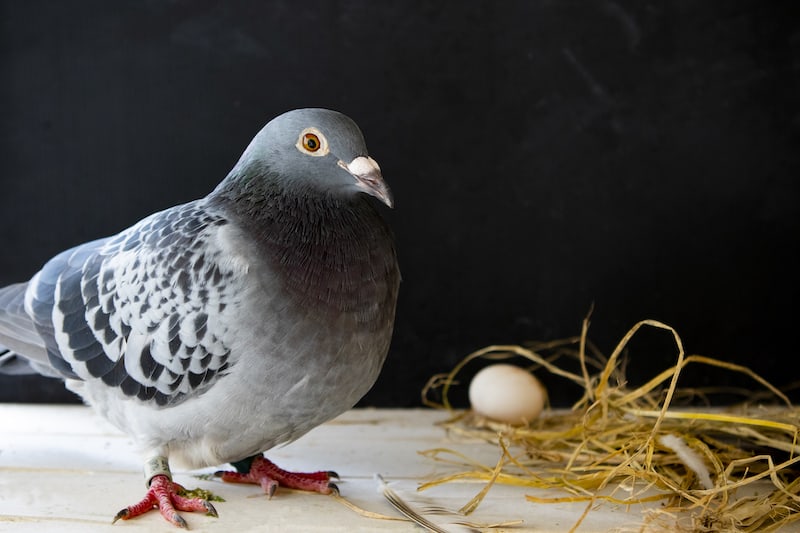
Fundamentals of Birds Laying Eggs
Bird Species and Egg Laying
Birds lay eggs uniquely. Each species follows a different pattern, influenced by its biology and environment.
For instance, domestic chickens produce eggs daily, while other species like eagles lay eggs only in specific seasons.
The number of eggs in a single clutch varies. Songbirds often lay four to six eggs, while some seabirds may lay only one egg per breeding attempt.
Several factors impact birds’ egg production, such as their size, habitat, and breeding strategy.
Seasonality and Frequency
Many birds follow seasonal patterns for egg-laying.
In temperate regions, most birds breed in the spring and summer, ensuring abundant food sources for their offspring.
On the other hand, tropical oceanic birds are known to breed year-round, taking advantage of constant conditions.
| Species | Laying Frequency | Typical Clutch Size |
|---|---|---|
| Domestic Chicken | Daily | 1 |
| Songbird | Seasonal | 4-6 |
| Seabird | Seasonal or Year-Round | 1 |
Factors such as daylight length, temperature, and availability of food determine the timing and frequency of birds laying eggs.
Adapting to their environment, birds adjust their reproductive efforts to ensure the survival of their offspring.
This behavior is known as the prudent parent principle.
Birds may breed once or multiple times a year, depending on the species and environmental conditions.
Sensitivity to climatic changes can influence their egg-laying schedules and is a critical element of their reproductive success.
As such, understanding the fundamentals of birds laying eggs is crucial to preserving their populations and ecosystems.
Nesting and Environment
Nest Building and Habitat
Birds build nests to lay eggs and raise their offspring. The design and function of a nest depend on the species and their environment.
The variety of nests is vast, as birds inhabit different habitats ranging from forests, and grasslands, to wetlands. Some common nest types include:
- Cup-shaped nests: Constructed in trees or shrubs. Used by passerines and songbirds.
- Cavity nests: Birds, like woodpeckers, carve holes in trees to lay eggs.
- Ground nests: Birds such as shorebirds and ostriches lay eggs directly on the ground.
Nest location and construction material affect nesting success. The adjustment of reproductive strategies depends on the safety of the environment.
Nests camouflaged or deep inside cavities reduce predation risk.
Climate and Latitude Factors
Nesting season and egg-laying frequency vary depending on climate and latitude.
Central American birds experience a continuous food supply, allowing them to nest throughout the year.
In contrast, High Arctic birds need to match their breeding with peak food availability due to a shorter nesting season caused by harsh temperature conditions.
Environmental conditions influence nesting behavior, such as:
- Temperature: Birds adjust their egg-laying patterns based on seasonal temperatures.
- Food supply: Abundant food resources directly affect the number of chicks produced and their survival rate.
- Climate change: Shifts in climate may generate mismatches between bird nesting schedules and food supply, potentially affecting survival rates.
Bird Reproduction and Mating
Mating Rituals and Behavior
Birds exhibit diverse mating rituals aimed at attracting partners. Some perform complex aerial displays, while others use songs for communication.
Male birds often showcase bright colors and unique patterns. Courtship feeding, where the male offers food to the female, is common in various species.
Breeding Season and Territory
Springtime usually marks the beginning of the breeding season for most bird species.
Birds lay eggs in roughly the same period of the year, with some variations due to factors like food availability and climate.
Mates establish territories to secure nesting sites and resources. To impress potential mates and assert dominance, they engage in territorial displays and vocalizations.
| Species | Start of Breeding Season | Egg-Laying Frequency |
|---|---|---|
| American Robin | Mid-March | 2-3 times per year |
| House Sparrow | April | 2-5 times per year |
| Mountain Bluebird | Late April | 1-2 times per year |
The timing of egg production is essential.
Birds synchronize their breeding efforts with the peak of food availability, such as the abundance of insects for feeding young chicks.
The age and experience of the birds can also affect their egg-laying frequency.
Incubation and Offspring
Hatchlings rely on the safety and warmth of the nest.
Variables like the nest’s microclimate and clutch size play critical roles in the number of young that parents can raise successfully.
Both parents often contribute to the incubation and feeding of the chicks, sharing these responsibilities to ensure the survival and growth of their offspring.
Feeding, Migration, and Predation
Food Availability and Metabolism
Birds lay eggs when food is plentiful. In April, day length increases, signaling to birds that it is time for reproduction.
Food availability rises during this period, with an abundance of insects and plant resources.
Birds possess a unique metabolism, allowing them to store fat efficiently for egg production and migration.
They adapt their feeding behaviors, focusing on high-energy foods and consuming more to meet their energy needs.
Migration Period and Patterns
Migratory birds undertake a challenging journey every year. The migration period varies among species, influenced by day length, weather, and food availability.
These journeys, ranging in distance and duration, occur in distinct patterns determined by the species.
Some birds fly at night to avoid predators, while others, such as waterfowl, travel in large groups for protection.
During migration, birds stop to rest and refuel. They rely on specific habitats rich in food and water, such as wetlands, to sustain their journey.
Birds also face the challenge of predation risks while migrating, forcing them to adopt various strategies for survival. These include:
- Choosing specific departure times and routes
- Utilizing landmarks and compass systems for navigation
- Adjusting flight speeds and altitudes
Predation Risks and Adaptations
Birds, especially when breeding, face predation risks from various sources like mammals, reptiles, and other birds.
As a result, they have developed numerous adaptations to minimize these threats. Some common strategies include:
- Nesting in concealed or inaccessible locations
- Camouflaging eggs and nests to blend in with their surroundings
- Engaging in distraction displays to lead predators away from nests
- Migrating to areas with fewer predators during the breeding season