
Last updated on May 22nd, 2023 at 09:39 am
Birds face various challenges in their daily lives. Among these challenges is the potential loss of a claw, an essential tool for survival. Can a bird regrow its missing claw?
While many birds cannot regrow their missing claws, some species, such as chickens and ducks, are capable of regenerating their claws to some extent. However, the extent of the regeneration varies depending on the species and the severity of the injury.
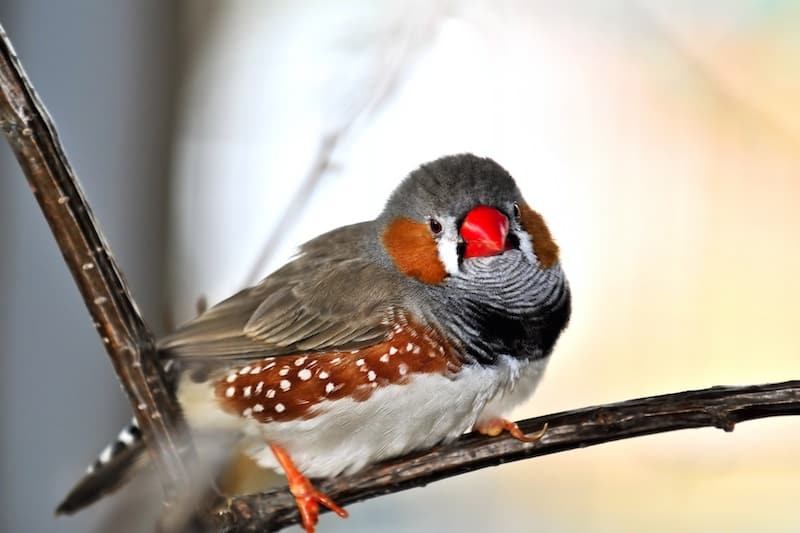
Claw Regeneration in Birds
Factors Affecting Regrowth
Bird regrowth depends on various factors. Damage severity influences recovery time. Minimal harm may heal quickly, while severe injuries prolong the process.
Molting plays a role, as the remodeling of regenerating feathers occurs during this period. Furthermore, the bird’s overall health impacts its regenerative capabilities.
Optimal nutritional and environmental conditions facilitate healing.
Bird Species and Regeneration
Different bird species exhibit varied regeneration abilities. In general, birds can regrow feathers. However, the regeneration of missing claws remains uncertain.
Research is scarce, and the extent of claw regeneration capabilities may vary among species.
It is essential to acknowledge this gap in knowledge and hope for further studies on claw regeneration in birds.
The Healing Process of Missing Claws
Injury and Healing Stages
When a bird suffers an injury to its claw, immediate action is necessary. Keeping the injured bird in a warm and dry environment helps prevent further trauma.
It is essential to have a veterinarian examine the injury, as the healing process varies depending on the nature of the damage.
- Initial Stage: The healing process starts with stopping the bleeding. Applying pressure on the blood vessel and ensuring the area is clean is vital in this stage.
- Regeneration: Birds have limited regenerative abilities. Claw regeneration depends on the extent and location of the injury. In some cases, a partially damaged claw may regrow to a certain degree, but the process can be slow and is not guaranteed.
During the healing process, it is crucial to monitor the injured bird closely, taking note of any changes in the affected area.
Keep the injured area clean and maintain the bird’s overall well-being to support recovery.
Birds with missing claws can adapt to their situation, but it’s essential to be aware of potential limitations following a claw injury.
Regular check-ups with a veterinarian can help determine the progress of the healing process and ensure the bird remains healthy.
Keep in mind that each bird’s healing process varies, depending on factors such as species, age, and overall health.
Patience and care are necessary to help the bird recover from a missing claw injury.
Preventing Injuries to Bird Claws
Keeping a Safe Environment
Provide a secure space for your bird. Enclose the area with safe materials like soft netting or mesh wire. Remove hazards such as sharp or toxic items. For parrots, provide:
- Natural branches for perching
- Various safe toys for enrichment
- Suitable cage size based on species
Keep young birds separate from older or aggressive birds. Watch their interactions to avoid fights and injuries.
Proper Nutrition
A balanced diet helps maintain healthy claws. Offer a variety of foods like:
- Vegetables and fruits
- Pellets designed for your bird species
- Limited seeds and nuts
Avoid overfeeding––it may lead to deformities in the beak and claws. Observe your bird’s eating habits. Adjust the diet if recommended by a veterinarian.
Regular claw trimming prevents overgrowth and discomfort. Use tools — for small birds like Parakeets, consider a small-sized pair of pet nail clippers.
Take care when trimming to avoid injury.
If a bird loses a claw, it may regrow over time, but not fully. It may take up to six months for partial regrowth.
Monitoring and consulting with a veterinarian help ensure a smooth recovery.
Effects of Missing Claws on Birds
Mobility and Safety
Birds with missing claws face difficulties in their everyday lives. Mobility, for instance, becomes a challenge.
Hopping, an essential movement for many birds is hindered.
With a reduced ability to hop, birds become more vulnerable to predators that are eager to take advantage of their weakened state.
Safety, too, is compromised for birds with missing claws. Their ability to take flight is not as swift, and their grip when perching is not as strong.
Consequently, birds with missing claws struggle to escape predators in a timely manner, putting their lives at risk.
Feeding and Foraging
Songbirds rely heavily on their claws to feed and forage. Missing claws can hinder such activities, making it difficult for these birds to maintain a normal life.
Hunting for food requires a great deal of precision which is compromised without fully functional claws.
Furthermore, when foraging for insects, seeds, and other small food items, the lack of one or more claws can make the process much more challenging.
The reduced ability to forage effectively may lead to malnourishment and other health complications.
| Issue | Impact on Birds |
|---|---|
| Mobility | Hindered ability to hop, making them more vulnerable to predators |
| Safety | Compromised ability to escape predators in a timely manner, risking their lives |
| Feeding | Difficulty maintaining a normal life due to hindered hunting and feeding abilities |
| Foraging | Challenging to find small food items, leading to potential malnourishment |
Care for Birds with Missing Claws
Assisting with Eating
Caring for a bird with a missing claw demands extra attention. It’s essential to assist with their eating and drinking habits.
Make it easier for the bird to access food and water by placing dishes at a lower height. Use shallow containers so they can easily reach inside.
- Consider hand-feeding the bird.
- Softened pellets are easier for them to consume.
- Monitor the bird’s weight to ensure they are eating enough.
It may be necessary to consult a veterinarian for guidance on nutritional needs and any necessary supplements.
Keeping Comfortable
A bird’s comfort is crucial. A cockatiel or budgie with a missing claw will perch differently than a bird with all its toes. Adjust the perches for your bird accordingly.
| Perch Adjustments | |
|---|---|
| Height | Position perches lower |
| Diameter | Provide various grips |
| Material | Soften surfaces with fabric |
Regularly trim the bird’s remaining nails to prevent overgrowth or imbalance. It’s essential to ensure the bird can rest without slipping or causing injury.
Keep an eye on the bird’s comfort, make any necessary adjustments to the environment, or consult a veterinarian for further advice.