
Last updated on April 24th, 2023 at 11:32 pm
Night frights can be a stressful experience for both you and your pet bird. These sudden episodes often occur when your feathered friend is startled by noise or movement in the dark. Understanding the causes and learning how to prevent these incidents is essential for ensuring the well-being and comfort of your avian companion.
Here’s how to prevent night frights in pet birds:
Understanding Night Frights
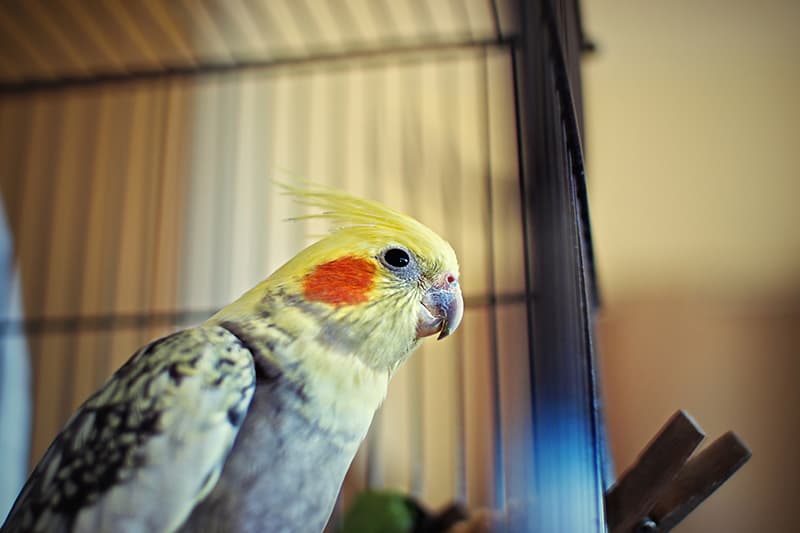
Night frights are a common occurrence in many pet birds, particularly in cockatiels.
These episodes involve your bird panicking and thrashing around in its cage during the nighttime hours when it should be sleeping.
Understanding the causes, signs, and effects of these incidents can help you better care for your feathered friend.
Causes of Night Frights
Several factors can trigger a night fright in your bird. One primary cause is a sudden change in their environment or routine, such as unfamiliar sounds or vibrations.
Your bird may also be startled by shadows or perceived threats, such as sudden flashing lights.
While the reasons behind night frights may vary, at the core, these episodes stem from a bird’s natural instincts to protect itself.
In the wild, birds will fly upwards to escape danger when startled. This behavior can carry over to your pet bird, even when it is safely inside its cage.
Signs and Symptoms
When a night fright occurs, you may notice your bird rapidly flapping its wings, panicking, and trying to escape its cage.
The commotion can cause your bird to fall off its perch, potentially leading to injury.
Additionally, your pet may exhibit stressed body language, such as puffing up its feathers or panting.
Effects on Bird’s Health
While occasional night frights may not be a significant concern, frequent episodes can negatively impact your bird’s well-being.
Night frights can cause stress, anxiety and even lead to physical injuries, such as damage to the head, eyes, or wings.
Furthermore, these incidents can disrupt your bird’s sleep, which is essential for maintaining good health.
Regular episodes of night frights can leave your bird feeling tired and stressed, making it more susceptible to illness.
Preventing Night Frights
Preventing night frights in your pet birds involves a combination of measures and techniques designed to make their environment calming and safe.
By doing so, you can help your bird sleep soundly through the night.
| Bird Species | Fright Frequency |
|---|---|
| Cockatiels | High |
| Parakeets | Moderate |
| African Greys | Low |
| Lovebirds | Moderate |
| Cockatoos | High |
Creating a Calm Environment
Establishing a tranquil space for your bird is a key component in preventing night frights.
Position the cage in an area with minimal disturbances from foot traffic, doors, or windows.
Consider using curtains to block out passing car headlights, moving shadows, or flashing lights.
Managing Light and Darkness
Regulating the light in your bird’s environment plays a significant role in preventing night terrors.
Avoid exposing your bird to complete darkness during nighttime hours. Instead, provide a dim night light that offers low-level lighting, allowing them to sleep undisturbed.
This can help prevent sudden events, such as passing cars or thunder, from scaring your bird.
Noise Control
Reducing sudden noises that can startle your bird is essential for its well-being.
Utilize white noise devices such as air purifiers, TV static, or natural relaxing sounds to mask potentially frightening outdoor noises.
Keep in mind that you can also leverage soft music to create a calming atmosphere for your bird.
Cage Management
Proper cage management is another critical aspect of preventing night frights.
Make sure your bird’s cage is stable, and vibrations from earthquakes or other events are minimized.
Place perches strategically to avoid accidental falls and ensure all perches are secure.
Consider covering the cage partially with a light cloth to create a sense of security for your bird while leaving an open section for visibility.
Monitoring and Safety Measures
Lastly, monitor your bird’s environment and behavior closely, taking necessary precautions to keep them safe.
You can use a baby monitor or video monitoring system to keep an eye on your bird during the night.
Swift action when night frights occur—such as turning on the light and calming your bird—can help minimize the impact of these events.
Dealing with Night Frights
Night frights in birds can be distressing for both the bird and the owner.
Here’s how to tackle these incidents when they occur and help your bird recover from them.
Immediate Actions
You may notice your bird displaying signs of night fright, such as thrashing, hissing or shaking its head.
If this happens, turn on the lights and approach your bird calmly to help them feel secure.
The sudden noises or movements might have triggered a fear response.
It is essential to identify the cause and remove any potential threats, like household pets or insects, from their surroundings.
You should also provide a dim light or night light to help them feel more at ease.
Be cautious of noises from fireworks or barking dogs, as they may cause further distress.
Handling Injuries
In some instances, night frights can cause your bird to injure itself, particularly if it has broken blood feathers or sustained cuts from thrashing its wings.
If you notice bleeding, it is crucial to seek assistance from an avian vet as soon as possible.
In case of a blood feather injury, you may need to assist in removing the feather to stop the bleeding.
But always consult with your vet before attempting this procedure at home.
Recovery and Aftercare
After a night fright episode, it is essential to help your bird recover and settle back into its normal routine.
Offer them fresh water and feed to ensure they maintain proper nutrition during this stressful time.
Additionally, make their cage as comfortable as possible by removing any damaged toys or items that may have contributed to the fright.
This may be as simple as rearranging cage furnishings or providing new, enriching toys.
Finally, consider using a cage cover or curtains to create a sense of security for your bird during the night.
Some birds feel more at ease in complete darkness, while others prefer a partially open cover and a nightlight.
Observe your bird’s individual preferences and adjust its environment accordingly.
Additional Factors to Consider
Bird’s Personality and Behavior
Every bird is unique, and understanding your bird’s personality is essential to preventing night frights.
Some birds may be more prone to anxiety or stress, while others might be more resilient.
Keep a close eye on your bird and observe any behavioral changes that might indicate stress or discomfort.
For instance, a sudden increase in biting, or frenzied behavior can signal anxiety.
Health Issues and Nutrition
Maintaining your bird’s health is crucial in preventing night frights. Poor nutrition can lead to health issues that could exacerbate anxiety and stress in your bird.
Ensure your bird is receiving a well-balanced diet, including the necessary vitamins and minerals.
Providing a mineral block and cuttlebone can help meet their nutritional requirements.
It’s also essential to monitor your bird’s overall health, as conditions like insect infestations or illness can contribute to anxiety and stress.
Regular vet checkups can help detect and address these issues proactively.
Recognizing Stressors
Identifying stressors in your bird’s environment can help you mitigate their impact on your bird’s well-being. Some common stressors include:
- Windows: Birds can become startled by reflections or wild birds outside. Installing blinds or curtains can help reduce visibility and potential stress.
- Bright Light: Excess light can interrupt your bird’s sleep, possibly leading to night frights. Ensure your bird’s cage is adequately covered at night, and consider using a nightlight if your bird prefers some light.
- Cool Air: Ensure your bird’s cage is in a warm and draft-free location to provide a stable, comfortable environment.
By observing your bird’s behavior and carefully maintaining its environment and health, you can develop a better understanding of its unique needs and preferences.
This ultimately helps to prevent the occurrence of night frights.