
Last updated on April 28th, 2023 at 10:55 pm
Have you ever encountered the unmistakable sound of birds nesting in your vents, disrupting your peace and quiet? These uninvited winged guests can cause a variety of issues, from unsightly messes to potential fire hazards.
To maintain a safe and clean home environment, it’s crucial to take preventative measures against birds nesting in your vents.
Here’s how to prevent birds from nesting in vents:
Why Birds Nest in Vents
Birds often look for safe, sheltered places to build their nests, and vents provide just that.
In particular, vents offer protection from predators, weather, and human disturbances, making them an attractive nesting site.
Another reason birds choose vents is their close proximity to resources such as food, water, and nesting materials.
Vents are typically located near the exterior of buildings, allowing birds to easily access everything they need to raise their offspring.
Methods to Discourage Nesting
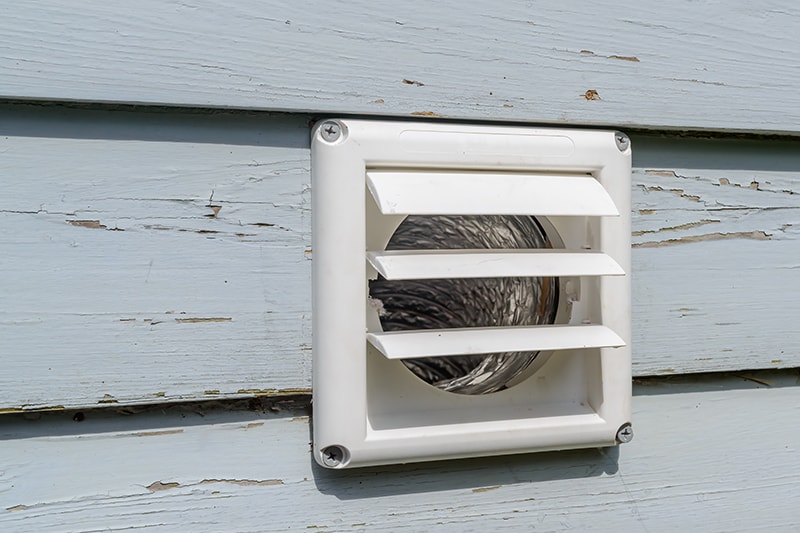
Installing vent covers is a highly effective way to prevent birds from nesting in vents. These are specially designed to allow airflow while deterring birds from entering.
Make sure to choose vent covers made of durable materials like galvanized steel or plastic.
Maintaining clean and closed garbage bins around your property can also help prevent birds from nesting in vents.
Birds are attracted to food sources, so eliminating these will discourage them from staying in the area. Keep garbage in sealed containers.
Using bird deterrents: There are several bird deterrents on the market, such as:
- Spikes: These prevent birds from landing on the areas where they might attempt nesting.
- Reflective tape or discs: The movement and reflections frighten birds, discouraging them from approaching.
- Ultrasonic devices: Emitting high-frequency sounds inaudible to humans, these devices can effectively deter birds.
Trimming nearby trees and shrubs can also reduce nesting opportunities.
Birds often use branches as a launch point to enter vents, so removing these will discourage their access.
Regularly inspecting and cleaning your vents, especially during nesting season, can save you from dealing with a nesting problem later on.
Exercise caution and use personal protective equipment, such as gloves and masks, while conducting these inspections.
Installing Vent Covers
Installing vent covers is an effective way to prevent birds from nesting in your vents. These covers act as a barrier, blocking birds’ access to the vent openings.
There are different types of vent covers available:
- Metal mesh covers
- Plastic vent covers
- Custom-designed vent guards
When choosing a vent cover, consider the following factors:
| Factor | Description |
|---|---|
| Material | Ensure the cover is durable, weather-resistant, and non-corrosive to avoid damage and wear over time. |
| Size | Select a cover that fits the vent opening snugly to prevent any gaps that birds could exploit. |
| Installation | Opt for a vent cover with a simple installation process, either using clips, screws, or adhesive materials. |
Once you’ve selected a suitable vent cover, follow the manufacturer’s instructions for installation. Regularly check and maintain these covers, ensuring they’re functioning properly and haven’t been damaged by weather or wildlife.
Regular Vent Maintenance
Proper vent maintenance is essential for preventing birds from nesting in them.
Regularly inspecting and cleaning your vents will minimize the likelihood of birds finding a suitable nesting spot.
Follow these tips for maintaining your vents:
- Inspect your vents periodically, especially during bird nesting season. Look for any signs of bird activity, such as debris or droppings.
- Clean vent covers and remove any debris that may have accumulated. This will make the vents less appealing to birds.
- Ensure that vent covers are securely attached and in good condition. Replace any damaged or missing covers to keep birds from gaining access.
- Consider installing vent guards or screens that are specifically designed to keep birds out. Ensure these are fitted correctly and do not obstruct airflow.
By giving your vents regular care and attention, you can significantly reduce the chances of birds nesting in them.
Environmental Alternatives
It’s essential to employ eco-friendly solutions to deter birds from nesting in vents without causing harm to them or the environment.
Here are a few environmentally friendly alternatives:
- Install vent covers: Installing vent covers made of durable materials like stainless steel or PVC prevents birds from entering the vents while also ensuring proper airflow. These covers also keep out other pests like rodents and insects.
- Offer alternative nesting sites: Provide a safer and more attractive habitat for birds by installing birdhouses or nesting platforms nearby. This will help distract birds from targeting your vents and encourage them to settle in a more suitable nesting spot.
- Use bird deterrents: Visual or auditory deterrents like reflective objects, wind chimes, or predator decoys can be effective in discouraging birds from nesting near your vents. Ensure that the deterrents you use are non-toxic and non-harmful to the birds.
By opting for these environmental alternatives, you can protect your property, maintain healthy air circulation, and help support the well-being of bird populations.