
Mealworms are a good source of protein, fat, and amino acids, making them a nutritious addition to your parakeet’s diet. However, it’s essential to only offer mealworms sparingly. Is it safe?
Parakeets can eat mealworms, which can be a great source of protein for them on rare occasions. Although your parakeet may prefer nuts, fruits, and vegetables as their regular meals, introducing mealworms as an occasional treat can help provide them with extra nutrients.
Feeding mealworms too frequently can cause problems for your parakeet, so it’s best to stick to offering them only on rare occasions.
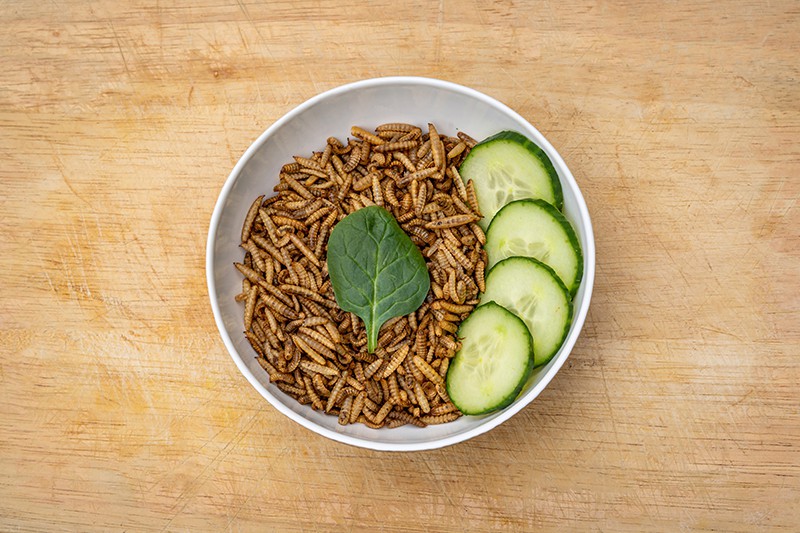
Why Parakeets Can Eat Mealworms
Although it’s safe for parakeets to eat mealworms, it’s essential to remember that their primary diet should consist of other foods such as fruits, vegetables, and seeds.
Mealworms should not be the main component of their diet and should only be given as an occasional treat.
When giving mealworms to your parakeet, keep the portion size in check.
It’s recommended not to exceed 10% of their total daily food intake in protein-rich sources like mealworms.
This ensures that your parakeet maintains a balanced diet without any negative effects.
Quick tips for feeding mealworms to your parakeet:
- Feed mealworms sparingly as an occasional treat.
- Keep mealworms below 10% of your parakeet’s daily food intake.
- Balance their diet with fruits, vegetables, and seeds.
The Parakeet Diet
Understanding a parakeet’s diet is essential for keeping your feathered friend healthy and satisfied.
In this section, we’ll explore the different types of foods that should be included in a parakeet’s diet.
Seed and Pellet Mixes
Seed and pellet mixes form the foundation of your parakeet’s diet.
These mixes provide essential nutrients, and it’s important to choose a high-quality blend that caters to your parakeet’s dietary needs.
When selecting a mix, look for one with a variety of seeds, grains, and fortified pellets.
Be cautious not to overfeed your parakeet with seeds and pellets, as this can lead to obesity.
Monitor portion sizes and adjust the amounts accordingly based on your parakeet’s age, size, and activity level.
Fresh Vegetables and Fruits
In addition to seed and pellet mixes, your parakeet requires fresh vegetables and fruits to stay healthy.
These provide essential vitamins and minerals that promote overall well-being. Some popular choices for parakeets include leafy greens, bell peppers, carrots, and berries.
- Wash fruits and vegetables thoroughly before feeding them to your parakeet
- Remove any seeds or pits from fruits to prevent choking risks
- Chop produce into small pieces for easier consumption
Introduce new fruits and vegetables gradually to avoid upsetting your parakeet’s digestive system.
Protein Sources
While parakeets don’t need as much protein as other birds, they still require small amounts of protein-rich foods for optimal health.
These protein sources include egg, lean cooked meats, and even mealworms.
When it comes to mealworms, it’s safe to feed them on rare occasions as a treat, since overconsumption could lead to health issues.
Ensure that any protein sources are unseasoned and cooked thoroughly before feeding them to your parakeet.
Incorporating a balance of seed and pellet mixes, fresh produce, and occasional protein sources will help keep your parakeet healthy and happy.
Benefits of Mealworms
Let’s explore the various advantages of feeding mealworms to your parakeet.
Nutritional Value
Mealworms are an excellent source of nutrients for your parakeet.
They contain high-quality protein, vitamins, and amino acids that play a vital role in building your parakeet’s muscles, feathers, and bones.
Apart from protein, mealworms are also a good source of essential vitamins and minerals, such as iron, copper, and zinc.
Moreover, mealworms provide omega-3 fatty acids, which are beneficial for your parakeet’s skin and feathers. They’re also high in moisture content, helping to keep your parakeet hydrated.
Here’s a table laying out the nutrient density of mealworms:
| Nutrient | Amount per 100g |
|---|---|
| Protein | 20-53g |
| Fat | 13-28g |
| Fiber | 2-6g |
| Moisture | 5-62g |
| Iron | High |
| Amino acids | Essential |
| Fatty acids | Monounsaturated and polyunsaturated |
| Calories | 223 kcal |
Entertainment and Enrichment
Feeding mealworms can add an element of fun and mental stimulation to your parakeet’s daily routine.
Hunting and foraging for mealworms can help keep your parakeet entertained, engaged, and mentally active.
It encourages their natural foraging behavior while providing a nutritious snack.
Try hiding mealworms in various places around your parakeet’s cage or play area to encourage exploration and problem-solving.
By incorporating mealworms into their daily activities, you’re not only improving your parakeet’s physical health but also catering to their mental well-being.
Preparation Tips
When introducing mealworms to your parakeet’s diet, it’s essential to prepare them properly to ensure your bird gets the most benefits.
Here are some helpful preparation tips, including whether to use alive or dried mealworms and how many mealworms to serve your parakeet.
Alive or Dried Mealworms
You have the option of offering your parakeet live or dried mealworms.
Both have benefits, but there are a few differences to consider when deciding which one to offer your bird.
- Live mealworms: These tend to be more appealing to parakeets, as they’re fresher and closer to what they might find in the wild. However, they can be more challenging to store and may require extra care to keep them alive.
- Dried mealworms: These are a more convenient option, as they have a longer shelf life and are easier to store. Keep in mind that while dried mealworms still provide nutritional benefits, they may not be as enticing to your parakeet as live mealworms.
How Many Mealworms
It’s important not to overfeed mealworms to your parakeet, as they should not be a staple of their daily diet.
Instead, offer them as an occasional treat to provide variety and additional protein to your bird’s diet.
When serving mealworms to your parakeet, try offering just a few at first to see if they enjoy them.
Some parakeets may not show an interest in mealworms, while others may enjoy them on rare occasions.
Monitor your bird’s response to determine the appropriate amount of mealworms to include in their diet.
Remember, it’s crucial to provide a balanced diet for your parakeet, including seeds, fruits, vegetables, and other sources of protein.
By following these preparation tips, you can safely introduce mealworms to your parakeet’s diet and enhance their nutritional intake.
Possible Risks
Overfeeding Mealworms
While mealworms can be a good source of protein for your parakeets, it’s important not to overfeed them.
Feeding your parakeet too many mealworms can lead to an unbalanced diet, as these insects should only be an occasional treat, rather than a staple food source.
An unbalanced diet can lead to health complications for your parakeet, such as:
- Obesity
- Nutrient deficiencies
- Health issues related to a lack of essential nutrients
To maintain a healthy diet for your parakeet, ensure that mealworms are offered sparingly and never as the primary food.
Introducing Allergens
Another possible risk when introducing mealworms to your parakeet’s diet is the potential for allergens.
Mealworms may carry diseases that can be harmful to your bird, or if not properly prepared, they could contain toxins that might make your parakeet sick.
When preparing mealworms for your parakeet, follow these steps to minimize the risk of allergens:
- Purchase mealworms from a reputable source
- Keep mealworms dry and refrigerated before feeding them to your parakeet
- Remove any dead mealworms, as they can be harmful to your bird
Taking these precautions can help reduce the chances of introducing harmful allergens or toxins to your parakeet when feeding them mealworms.
Alternative Protein Sources
While mealworms can be a source of protein for parakeets, it is essential to provide alternative protein sources for a balanced diet.
In this section, we will discuss two popular and nutritious alternatives: cooked eggs and sprouted seeds.
Cooked Eggs
Cooked eggs are a great protein source for your parakeet. They are rich in essential amino acids, vitamins, and minerals that will contribute to your bird’s overall health.
To prepare eggs for your parakeet, follow these steps:
- Boil an egg until it is fully cooked.
- Allow the egg to cool completely.
- Peel the shell off the egg, and discard the shell.
- Mash the cooked egg into smaller pieces, making it easier for your parakeet to eat.
Offer small amounts of cooked egg to your parakeet once or twice a month. Avoid adding any seasonings, as these can be harmful to your bird.
Sprouted Seeds
Sprouted seeds are another excellent protein source for parakeets.
They contain additional nutrients compared to regular seeds, such as enzymes, minerals, and vitamins. Sprouted seeds are also easier for your parakeet to digest.
To sprout seeds for your parakeet, follow these steps:
- Choose a mix of seeds suitable for parakeets, such as millet, canary seed, and sesame seed.
- Soak the seeds in water for 8-12 hours.
- Rinse the seeds thoroughly and then drain them.
- Place the seeds in a sprouting jar, and then rinse and drain them twice a day until they sprout (this may take 1-5 days depending on the seed type).
Once the seeds have sprouted, you can offer a small amount to your parakeet as a protein-rich treat.
Remember always to provide a balanced diet for your parakeet, including fresh fruits, vegetables, and a variety of seeds.