
Last updated on October 15th, 2022 at 03:09 pm
Most birds are prey animals, so they are easily startled by things that remind them of a predator, including loud noises, sudden movements, and shifting shadows.
But is it possible for them to get a heart attack when scared?
Birds can get a heart attack if what startles them causes chronic fear, although this isn’t common. Prolonged fear can increase stress hormones and blood pressure, which the heart can’t handle for long periods, even more for birds in cages.
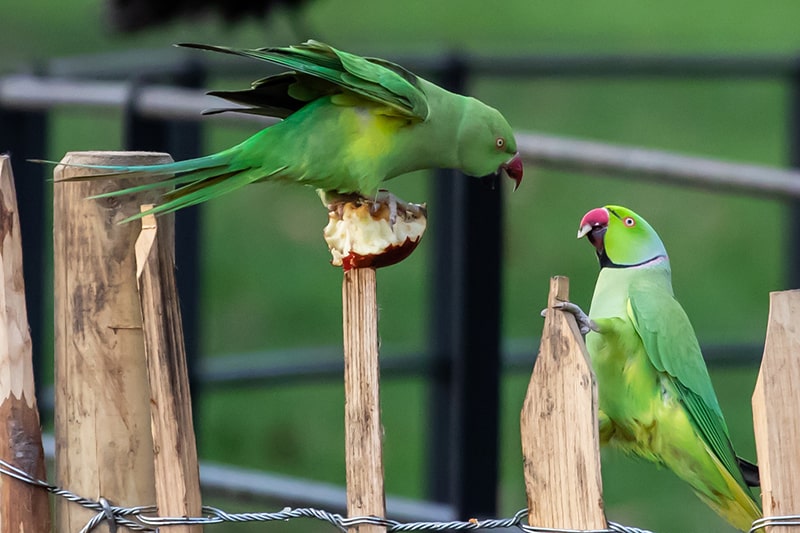
Can Startling a Bird Give It a Heart Attack?
A bird is unlikely to suffer a heart attack from being momentarily startled, especially if it’s able to get away and calm down after the startling incident.
This is because a bird’s body is built to recover from momentary frights.
However, birds can sometimes suffer heart attacks if they’re stressed for long periods, like if a relentless predator is hunting them.
Birds can also injure themselves out of fear, especially if they’re caged birds.
How To Know if a Bird Has a Heart Attack
Scaring a bird can cause stress hormones to increase, and if the fear lasts long enough, the excess stress hormones can cause a heart attack.
This often happens when a bird is being chased by a predator and cannot escape, causing extreme stress, high blood pressure, and exhaustion.
Signs that a Bird Has a Heart Attack
If a bird is having a heart attack, you’ll notice the following signs:
- Difficulty breathing
- Closed eyes
- Lack of movement
- Silence
- Bluish discoloration of the skin
Night Frights and Injuries in Startled Birds
There are more risks associated with startling a pet bird than startling a bird in the wild.
This is simply because a pet bird is kept in a cage and doesn’t have the opportunity to escape.
A startled pet bird may thrash around in its cage and injure itself, whereas a wild bird will simply fly away to safety and then calm down.
Some birds are said to suffer from night frights, undergoing extreme distress at even the slightest disturbance while they’re trying to sleep.
They’ll often try to fly away but can’t, which only heightens their distress and often causes injury.
Night frights can cause serious anxiety, and they can even cause death in some birds.
Recognizing and Reducing Stress in Birds
Birds become stressed if they’re startled frequently, which can cause anxiety and health problems in the long term.
Like a bird being chased by a predator, a cornered and frightened pet bird can suffer severe reactions, even heart attacks.
What Stress Looks Like in Birds
When your bird is acutely stressed or startled, you’ll notice it holding its feathers close to its body.
It will huddle in the corner of the cage, and rock from side to side; sometimes, the bird will also hiss or bite.
When your bird is chronically stressed, you’ll start to notice these signs:
- Stress bars appearing on the feathers (small lines running down the feather shafts)
- Aggression (biting, lunging, hissing, and screaming)
- Loss of appetite
- Destructive behavior
How To Avoid Startling a Bird
Keep your pet bird from becoming startled by keeping its cage in a quiet room away from windows.
Also, cover the cage to block out noise and light at night when birds are especially sensitive.
The Perfitel Bird Cage Cover, sold on Amazon, blocks 90% of the light while remaining breathable.
This is ideal for helping your bird get a good night’s sleep free from distraction.
In the wild, you can avoid startling a bird by not making sudden movements or sounds, which can alert the bird that you might be a predator.
Birds are especially likely to be startled if they aren’t used to humans, if you’re near their nests, or if you’re wearing bright colors that stand out from the environment.
How To Calm Down a Startled Bird
One of the best things you can do to calm down a startled bird is to make sure the room is well-lit.
Approach the bird slowly, using a calming voice to talk or sing softly to the bird until it comes back to a calm state.
Don’t remove the bird from the cage until it has calmed down fully.
Build a Stress-Free Routine for Your Bird
Try to keep your bird’s daily routine as consistent as possible.
Even a new piece of clothing or moving the cage to a different spot in the room can cause extreme stress.
So make sure that you’re aware of these stressors and work to counteract their effects.
For example, you can place a sheet over the cage to keep it calm after moving the cage until the bird calms down.
Having an enrichment environment filled with toys and multi-level perches will also help your bird deal with stress better.
These give the bird some freedom to move and an outlet for excess energy. Stress in a bird can increase when it feels bored.
If your bird is chronically stressed and you can’t figure out the cause, consult a veterinarian.
This could be a sign that your bird is suffering from a serious health condition.
What Usually Causes Bird Heart Attacks?
When birds have heart attacks, it’s usually due to underlying heart disease characterized by chronic inflammation.
It is caused by a sedentary lifestyle and poor diet, which causes high cholesterol and hardening of the arteries.
This is much more common in pet birds than in wild birds.
How To Prevent Heart Attacks in Birds
To prevent heart attacks in birds, make sure that you let your bird out of the cage for exercise regularly and that you feed your bird a nutrient-dense diet low in fat.
About 50–70% of the diet should be species-appropriate pellets, and the remaining 30–50% should be fresh foods.
Appropriate fresh foods for birds include:
- Vegetables (raw or steamed, preferably organic)
- Oats, barley, buckwheat, quinoa, rice, or other grains (cooked)
- Legumes (cooked)
- Nuts and seeds (raw, soaked, or sprouted; unsalted)
- Fruit (but not seeds or pits)
Just make sure that nuts, seeds, and fruit make up no more than 10–20% of the diet because these foods are high in fat and sugar.
In the wild, the food available is much lower in sugar than the food cultivated for humans.