
Last updated on November 13th, 2021 at 01:41 am
When you’re going out birding, chances are you’ll have an eye out for bird refuges and sanctuaries. These sites are built to protect bird species and therefore are great places to spot new birds.
What is a bird refuge?
A bird refuge is a wildlife refuge specifically dedicated to the conservation of bird species. Many bird refuges are classified as Important Bird Areas by BirdLife International and the National Audubon Society. These sites are each key to the survival of birds for different reasons.
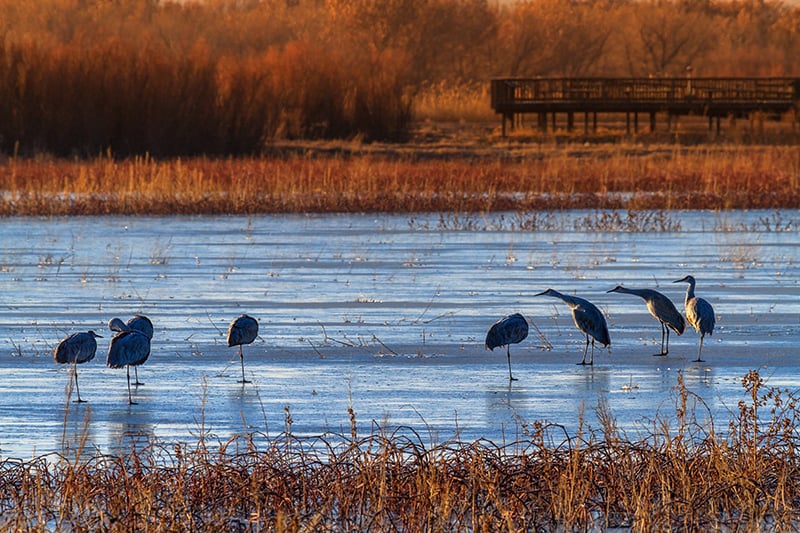
What You Need To Know About Bird Refuges
National Wildlife Refuges are great places to learn more about birds, as any rich natural habitat will naturally draw in bird species as a part of its thriving ecosystem.
Birds live in many different habitats and can be found in many different kinds of refuges.
That said, some land is dedicated specifically to the needs of bird populations. These areas are known as bird refuges.
How Is a Bird Refuge Different From a Standard National Wildlife Refuge?
The U.S. National Wildlife Refuge System protects over 550 lands, conserving them for wildlife under U.S. Fish & Wildlife Service management.
Every wildlife refuge is geared towards protecting native species, but the bird refuges on the list are specifically for protecting native bird species.
For example, at the Bear River Migratory Bird Refuge in Utah, lands are dedicated to migratory birds’ feeding and breeding needs because these birds have seen declines in available habitat and an increase in disease.
The refuge provides marshes and other wetlands to support the over 250 species of birds that travel through the area during migrations.
What Is an Important Bird Area?
An Important Bird Areas (IBAs) are places birds rely upon the most.
The National Audubon Society and BirdLife International have teamed up to gather information about and protect these areas, which include public and private lands, from Texas bird sanctuaries to New York’s Jamaica Bay.
Altogether, there are 2,832 identified IBAs worldwide, covering over 400,000,000 acres.
Criteria for Global Important Bird Areas
To qualify as an important bird area, an area needs to meet at least one of the following criteria.
- The site must be home to globally threatened species as categorized by the IUCN Red List, including Critically Endangered, Endangered, or Vulnerable populations. These birds must live in the area in significant numbers.
- The site must be home to two or more species with a restricted range measuring less than or equal to 50,000 square kilometers.
- The site must contain a biome that supports biome-restricted bird species. Biome-restricted bird species are reliant upon one particular biome to support them.
- The site must be a congregation zone for the species, hosting more than 1% of the global population either simultaneously or in total over a period of time.
Are Important Bird Areas Legally Protected?
Only 40% of IBAs are legally protected as of 2021, a figure that BirdLife International and the National Audubon Society work to change.
Their goal is to legally protect all Important Bird Areas to not be developed or destroyed by governments or private entities.
Birding in a Wildlife Conservation Refuge
Birding in a wildlife refuge is incredibly rewarding due to the presence of varied, thriving species.
For example, at the Bear River Migratory Bird Refuge, you might see white-faced ibis colonies of over 10,000 birds or tens of thousands of migrant tundra swans.
That said, you must take into account the needs of a wildlife refuge before you visit.
You want to disrupt the native species as little as possible while still getting close enough to learn and observe.
Prohibited Behavior in a Bird Refuge
When you’re visiting a bird refuge, you need to avoid actions that would disrupt the native species, including but not limited to the following actions:
- Littering
- Releasing animals
- Hunting
- Fishing
- ATVing
- Destroying plants
- Lighting fires
Additionally, you should avoid the following behaviors out of courtesy to other birders and respect for the birds:
- Getting too close to the birds or otherwise invading their territory, especially while the bird is nesting
- Taking photos with flash
- Making heavy noises
- Overusing bird song recordings to draw birds out
- Wearing bright colors
You also need to remember that some bird sanctuaries and IBAs are not public lands, and you should avoid crossing boundaries illegally.
Best Wildlife Refuges for Birding in the United States
The best wildlife refuges for birding include dedicated bird sanctuaries and general wildlife refuges alike.
They have in common protection for key players in maintaining an ecosystem that’s important to birds.
One of these wildlife refuges is the Canaan Valley National Wildlife Refuge, home to the annual Canaan Valley Birding Festival.
This refuge spans the highest valley east of the Rocky Mountains and contains large freshwater wetland areas.
Another is the Grays Harbor National Wildlife Refuge, home to the Grays Harbor Shorebird Festival.
Situated in Washington state, this refuge contains mudflats, uplands, and salt marshes.
Backyard Bird Sanctuaries: Bird Refuges in Miniature
Backyard bird sanctuaries can serve the same purpose as a bird refuge on a smaller scale.
To develop a small bird sanctuary near you, plant native trees, shrubs, and flowers to provide food and shelter to local bird species.
Research the needs of the specific bird populations that you wish to support, and gear your gardening efforts towards those.
Leave dead trees where they are, rather than removing them; these provide valuable nesting habitat for many bird species.
You can also make your backyard a miniature refuge by providing feeders with appropriate food and giving out fresh water in a birdbath or similar device.
Just make sure that you keep your area safe for birds by keeping cats and other pets indoors.
You should also take care to keep your bird feeders and birdbaths clean so that you don’t facilitate the spread of disease between birds.
Ensure that your bird food is stored securely and that you’re never serving moldy or contaminated food.